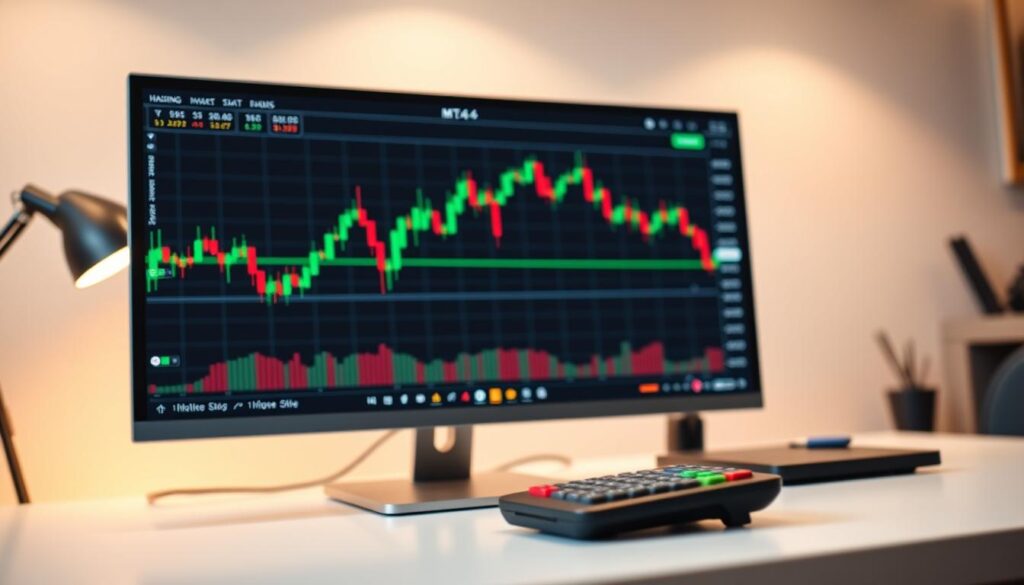
Engaging with global financial markets is a popular activity for many individuals. It offers a way to participate in the world’s economy. This guide focuses on the landscape for residents of this island nation.
The Financial Markets Authority (FMA) is the primary regulatory body for financial services. Its oversight is crucial for a secure trading environment. Platforms maintaining full compliance with this authority provide essential protection for client funds.
Choosing the right service provider is the first critical step for any investor. Our research evaluates numerous platforms to identify the most reliable options. This article serves as a definitive list of regulated entities offering competitive services.
We prioritize transparency and regulatory oversight. This ensures your experience remains productive and safe. Whether you are starting out or have experience, managing your money effectively begins with informed choices.
Overview of the New Zealand Forex Market
Market activity for currency pairs begins each week with the opening of local trading sessions. The official start is at 11:00 AM Monday morning in New Zealand Daylight Time (NZDT). This marks the commencement of the standard five-day cycle.
The Wellington and Sydney sessions are the first major hubs to become active. They help set the initial tone for the global trading day. Liquidity can be thinner during these early hours, but the price movements established here often provide early signals.
Understanding the timing of global sessions is crucial. Participants looking to capitalize on volatility often plan their strategies around the London or New York opens. The local market’s performance is heavily influenced by commodity prices and export flows.
This makes the currency market a vital component of the regional financial sector. Traders must remain aware of how different time zones impact order execution throughout the week.
Regulatory Environment and FMA Authorization

The foundation of trust in any financial system lies in its rules and enforcement mechanisms. For market participants, this oversight is provided by the Financial Markets Authority (FMA).
Understanding FMA Regulations
This authority was formed in May 2011. Its creation was part of a broader legislative move to strengthen investor safeguards. The official FMA website hosts a public registry of all authorized entities.
Any firm offering financial services must have this authorization. This is a non-negotiable requirement for operating legally. The mandate covers a wide range of activities to ensure comprehensive supervision.
Implications for Kiwi Traders
Strict rules directly benefit individual participants. Firms are required to keep client money in separate accounts. This crucial measure protects capital from misuse.
Another key protection is negative balance coverage for retail accounts. It prevents clients from losing more than their deposited funds. Verifying a provider’s FSP number on the official registry is an essential first step.
This regulatory compliance fosters high ethical standards. It significantly reduces the risk of fraudulent activity for everyone involved. The authority actively monitors conduct to uphold market integrity.
In-Depth Look at Top Broker Offerings
A deep dive into leading platforms reveals distinct advantages tailored to different user needs. Each provider brings a unique history and set of features to the table.
This analysis highlights key players that stand out for their reliability and specialized services.
IG: Leading Innovation and Trust
IG began operations in 1974. It is a publicly traded company on the London Stock Exchange under the ticker IGG.
This long history fosters significant trust. The platform offers a vast selection of financial instruments.
These include major currency pairs, global indices, and commodities. Its environment is highly regulated, prioritizing client security.
CMC Markets & Plus500: Competitive Edge
CMC Markets started in 1989. It holds authorization from the FMA and several other top-tier global regulators.
Its proprietary software provides advanced charting tools and tight spreads. This suits active participants looking for depth.
Plus500, founded in 2008, gives easy access to over 2,800 CFD instruments. Its interface is designed for simplicity, appealing to newcomers.
BlackBull Markets maintains a physical office in Auckland. Its local presence, under FSP number 403326, allows for personalized support.
Each entity provides unique tools, including robust mobile apps. This variety helps individuals match a service to their specific goals and comfort with risk.
Advanced Trading Platforms and Tools for Kiwi Traders

The power of a trading platform lies in its ability to translate market data into actionable opportunities. It provides the essential interface for technical analysis and order execution. Modern tools are designed to give participants a decisive edge.
Web vs. Mobile Trading Platforms
Today’s software is built for seamless use across devices. A robust web platform offers full functionality on a desktop. Meanwhile, a high-quality mobile app allows for monitoring positions from anywhere.
For instance, IG’s mobile application mirrors most of its web-based features. This includes integrated news and trade signals. Effective risk management depends on this constant access.
Proprietary vs. Third-Party Solutions
The choice often hinges on a user’s technical needs. Proprietary solutions, like CMC Markets’ Next Generation platform, offer a streamlined experience. It comes with over 100 technical indicators for sophisticated analysis.
Third-party platforms, such as MetaTrader 4, provide extensive customization for algorithmic trading. Investors should prioritize the responsiveness and stability of their chosen software. A reliable platform ensures quick reactions to volatile conditions.
Product Roundup: forex brokers new zealand

This analysis consolidates critical information about top-tier platforms accessible locally. It offers a clear perspective on the available options for market participants.
Broker Comparison Table Insights
Our organized table presents essential data points side-by-side. It includes minimum deposit requirements and typical spread ranges. Leading brokers like IG, CMC Markets, and BlackBull Markets all accept residents.
The comparison reveals significant variation in available financial instruments. Some platforms offer a few hundred assets while others provide access to over 26,000 stocks. A well-structured list helps identify the best value based on individual trading volume.
Key Differentiators in Offerings
The diversity of tradable instruments represents a major distinguishing factor. Platforms vary in their available currency pairs, indices, and commodities. Unique features further separate providers in the marketplace.
These include social trading functions, institutional-grade research tools, and comprehensive educational materials. Examining these elements together allows investors to match services with their specific financial goals.
Fee Structures, Spreads and Cost Transparency
A clear understanding of all charges protects your capital from unexpected erosion. The total cost of participation is not a single figure but a combination of several factors.
Transparent pricing is a hallmark of a trustworthy service provider. It allows you to manage your money effectively from the very first trade.
Competitive Spreads Analysis
The spread is the most common cost for executing a trade. It represents the difference between the buy and sell price of a currency pair.
Competitive spreads on major pairs can significantly boost profitability, especially for frequent strategies. For example, IG lists an average spread on EUR/USD of 0.69 pips during busy hours.
Across all sessions, this average may widen to 0.98 pips. Other platforms, like CMC Markets, offer an FX Active account with minimum spreads as low as zero pips. This is usually coupled with a separate commission.
Always check the broker’s published average spread data. This ensures you get a fair deal on every transaction.
Understanding Commissions and Fees
It is vital to distinguish between spread-only and commission-based pricing models. A so-called “zero spread” account often applies a fixed fee per lot traded.
This model can be more cost-effective for large volume orders. Beyond this, review the full schedule of potential charges.
These can include inactivity fees or costs for withdrawing your money. Transparency regarding these details shows a platform values its clients.
Hidden costs quietly erode an account over time. Many providers offer tiered discount programs for active traders, helping to reduce overall expenses.
Optimizing Account Types and Deposit Strategies

Effective capital management begins with selecting the appropriate account type and deposit approach. Providers typically offer a range of options, including standard, professional, and demo accounts.
These cater to different levels of experience and capital. For instance, IG requires a minimum deposit of around NZD $450 for a standard account, while direct market access demands £1,000.
In contrast, Plus500 maintains a low minimum deposit requirement. This makes it accessible for those starting with smaller amounts of money.
Choosing the right account is fundamental to optimizing your trading strategy. A well-planned deposit strategy ensures sufficient margin to maintain positions without overextension.
Beginners are often encouraged to start with a demo account. This allows practice without risking real money in the live market.
Understanding the funding methods available for your account, such as bank transfers or credit cards, is essential for smooth operations. Regular review of your balance and adjusting deposit levels based on your current trading performance is a prudent habit.
Managing Leverage and Mitigating Forex Trading Risks

Understanding and controlling leverage is fundamental to preserving capital in volatile markets. It is a crucial concept for all market participants to master.
Exploring Leverage Options
Leverage is a powerful tool that can amplify gains. However, it also significantly increases the risk of losing money rapidly. Statistics show a high percentage of retail investor accounts lose money when trading CFDs.
This is primarily due to the high risk of leverage. Managing your leverage settings is essential for a balanced portfolio. It helps avoid the pitfalls of over-leveraged positions.
CFD Risk Warnings and Safeguards
Contracts for Difference (CFDs) are complex instruments. The FMA mandates that providers give clear risk warnings. Clients must understand the potential for significant financial loss.
Implementing safeguards is a critical practice. Tools like stop-loss orders help mitigate the inherent risk. For example, Plus500 provides built-in guaranteed stop-loss orders to protect capital.
Always consider if you can afford to take the high risk of losing your money. This is vital before engaging in any leveraged transaction.
Cutting-Edge Trading Software and Market Analysis Tools

Today’s successful strategies are built upon a foundation of powerful analytical software. The right toolkit transforms complex data into clear, actionable insights.
This gives participants a significant edge in fast-moving conditions. Leading providers invest heavily in these advanced features.
Charting and Analytical Tools
Sophisticated charting is essential for technical analysis. Platforms like CMC Markets offer over 100 technical indicators and projection tools.
These resources help identify trends and potential reversal points. BlackBull Markets provides access to Autochartist.
This tool automatically scans for key chart patterns across various financial instruments. Deep analysis supports more confident decision-making.
Real-Time News and Data Integration
Staying informed is critical. Professional-grade software integrates live news feeds and economic calendars directly into the platform.
This ensures investors immediately see events that could move prices. Many systems also feature automated price alerts.
These notifications help manage risk and seize opportunities without constant screen watching. High-quality data feeds are a hallmark of top-tier software.
Key advantages of these advanced systems include:
- Performing deep technical analysis on a wide range of financial instruments.
- Making data-driven decisions based on identified trends and patterns.
- Receiving instant notifications when critical market levels are reached.
- Gaining a competitive edge through more precise entry and exit points.
Utilizing these tools collectively elevates the entire trading experience. They turn a standard platform into a professional command center.
Customer Service, Support and Localized Benefits
A broker’s commitment to user success is often reflected in its customer support and educational offerings. These services form the backbone of a positive and secure experience for all clients.
Local Support Advantages
Having a local team provides a significant edge. For example, BlackBull Markets operates an office in Auckland. This allows for personalized assistance that understands regional needs.
A responsive support team can resolve technical issues swiftly. This ensures your trading activities face minimal disruption.
User Experience and Educational Resources
Leading platforms invest heavily in user education. IG provides a comprehensive suite of resources, including webinars and detailed guides.
These tools help clients build the knowledge required for long-term success. An intuitive interface and easy access to help documentation are also key.
Building a strong relationship with your broker through clear communication is vital. It helps navigate the complexities of the market effectively.
Navigating Payment Methods and Currency Options
The flexibility of payment options directly impacts the convenience and cost-effectiveness of your market participation. Managing your funds efficiently requires a clear understanding of available channels and currency settings.
This ensures smooth operations from funding your account to accessing profits.
NZD-Specific Features
Many platforms allow residents to use the New Zealand Dollar as a base currency for their accounts. This feature is a significant advantage.
It helps you avoid unnecessary conversion fees when depositing money. Keeping your account in a familiar currency simplifies tracking performance and managing trading capital.
Deposit and Withdrawal Options
A wide range of payment methods ensures you can manage funds with ease. Common options include bank transfers, credit cards, and various online payment services.
You should verify the processing times for different methods. This ensures you can move money quickly when needed for trading opportunities.
Efficient withdrawal processes are essential for accessing your profits. Always check the terms regarding deposit and withdrawal limits.
This avoids surprises during your trading journey. Some providers offer specialized currency options for more flexibility in international markets.
Choosing a platform with transparent deposit and deposit policies supports better financial control.
Broker Transparency and Trust: Review Metrics
The integrity of any recommended platform list hinges on transparent and verifiable performance data. Independent assessments provide a realistic view of a firm’s operations beyond its own claims.
Trust Score and Regulatory Data
Services like ForexBrokers.com employ a detailed 250-point rating system. This evaluates trust, transparency, and overall service quality.
A high trust score is typically awarded to firms demonstrating consistent compliance with the FMA and other global regulators. Strong regulation is a primary safeguard for clients and their capital.
Client Feedback and Comparative Ratings
Platforms like Trustpilot offer valuable insights from real user experiences. This feedback reveals how a broker handles support and order execution.
Review metrics often include data on how many retail accounts lose money. This provides a sobering perspective on the risk involved in trading.
Comparative ratings analyze a large number of data points. They help investors identify the most reliable brokers for their trading style.
Evaluating a broker’s reputation through independent reviews is a critical step. It protects your capital and ensures fair treatment in the dynamic world of trading.
Final Reflections on Choosing the Ideal Broker
Selecting the right financial partner is a pivotal decision that shapes your entire market journey. It requires a careful balance of regulatory safety, competitive fees, and access to high-quality trading platforms.
By following a verified list of FMA-regulated providers, you ensure your activities occur in a secure environment. Successful trading is a long-term endeavor. It demands continuous learning and disciplined management of your money.
Take time to test different account types. Find the one that best aligns with your personal trading style. Your choice of broker will have a lasting impact.
Prioritize brokers that offer transparent services and reliable support. This guide aims to provide the clarity needed for an informed decision in your financial pursuits.