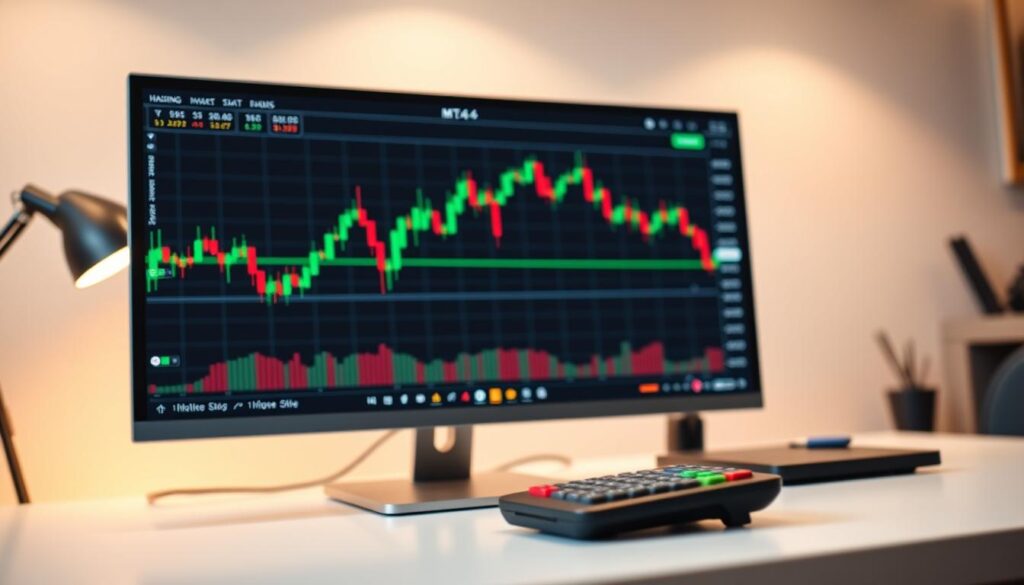
Choosing a secure firm for currency trading is crucial. For European participants, platforms authorized by the Cyprus Securities and Exchange Commission (CySEC) represent a gold standard. This regulation ensures strict adherence to EU financial laws.
Top-ranked CySEC entities, like FP Markets and IC Markets, build trust through high user ratings and transparent operations. Their licenses, such as 371/18 and 362/18, are publicly verifiable. This oversight provides a foundation of security for all clients.
Key protections define these regulated environments. Client money is held in segregated accounts, separate from the company’s funds. Negative balance protection ensures individuals cannot lose more than their deposit. Membership in the Investor Compensation Fund offers an additional safety net.
The offering extends far beyond major currency pairs. Traders access Contracts for Difference (CFDs) on global stocks, indices, commodities, and cryptocurrencies. This creates a comprehensive marketplace from a single account.
For retail and professional traders alike, these safeguards are vital. Leveraged products carry high risk, and a significant percentage of retail accounts incur losses. Selecting a CySEC-regulated provider is the first critical step in responsible trading.
Understanding CySEC Regulation and Its Impact
Established in 2001, CySEC has grown into a cornerstone of European financial oversight. Its authority expanded when Cyprus joined the EU in 2004, integrating it into the wider MiFID framework.
CySEC Overview and Its Role in Forex Trading
This regulator supervises investment firms to ensure strict compliance. Its primary mission is safeguarding retail clients and maintaining market integrity.
Key protection measures are mandatory. Client funds are held in segregated accounts. Negative balance protection prevents losses beyond a trader’s deposit.
An additional safety net is the Investor Compensation Fund. It covers eligible clients up to €20,000 if a firm fails. CySEC authorization also allows passporting services across the European Economic Area.
MiFID II and the Evolution of Regulatory Standards
MiFID II harmonizes rules across the EU. It provides consistent investor safeguards, regardless of location.
For retail participants, CySEC enforces strict leverage caps:
- Major currency pairs: 1:30
- Minor pairs & gold: 1:20
- Cryptocurrencies: 1:2
These limits help manage risk for inexperienced clients. Regulatory standards have evolved to demand greater transparency. Enhanced disclosure rules now benefit all market participants.
Choosing a CySEC-regulated platform offers superior protection compared to offshore alternatives. It provides a clear legal framework and reliable complaint mechanisms.
Key Comparison Factors for CySEC-Regulated Brokers
Smart selection among CySEC-regulated entities involves analyzing specific trading conditions and costs. Several critical factors separate adequate platforms from exceptional ones.
Trading Conditions and Fee Structures
Transparent fee models are paramount. Traders must compare spreads, commissions, and overnight financing costs.
Some providers offer commission-free accounts with wider spreads. Others feature raw spreads with a small per-trade commission. The right model depends on your trading frequency and style.
Minimum deposit requirements also vary. They can affect accessibility for newcomers with limited capital.
Available Trading Instruments and Market Diversity
The range of instruments is a major differentiator. Leading firms provide access to dozens of currency pairs.
They also offer CFDs on global stocks, indices, and commodities. This market diversity allows for portfolio diversification and hedging.
It lets participants capitalize on opportunities across multiple asset classes. A broad selection is a significant advantage for active trading.
Analyzing Trading Platforms & Technology
Modern trading success hinges on the software and tools provided by your chosen platform. The right technology stack enables precise analysis and swift execution.
Platform Usability and Advanced Charting Tools
Industry-standard trading platforms like MetaTrader 4 and 5 dominate. They offer robust charting with dozens of technical indicators. These tools support automated strategies via Expert Advisors.
Alternatives like cTrader provide superior order transparency. TradingView integrates advanced social features. Proprietary platforms from firms add unique widgets and layouts.
Customizable workspaces and drawing tools enhance technical analysis. Saved layouts let traders switch between strategies quickly.
Integration with Mobile and Web Solutions
Full functionality extends to iOS and Android apps. Mobile trading platforms allow monitoring and order management anywhere. This is vital for traders needing on-the-go access.
Web-based platforms require no software download. They run in any modern browser across devices. This offers flexibility for those using multiple computers.
Integrated economic calendars and news feeds aid decision-making. Algorithmic tools and VPS hosting ensure automated systems run non-stop.
Account Funding, Deposit Methods, and Currency Management

Accessibility begins with the initial deposit, and requirements vary significantly between different regulated entities. Minimum amounts can be as low as $5 or even $0, up to $200 for certain platforms.
Deposit Options and Currency Account Benefits
These platforms support a wide array of payment methods. Users can fund their account via:
- Credit and debit cards
- E-wallets like PayPal and Skrill
- Bank transfers
- Modern solutions like Apple Pay
Choosing a currency-denominated account, such as in EUR, provides a key advantage. It removes conversion fees on deposits and withdrawals. Multi-currency accounts offer further flexibility for traders.
Most card and e-wallet deposits are instant. Bank transfers may take 1-3 business days. Withdrawal procedures are straightforward, though some methods may incur small fees. Verification is required before the first withdrawal.
Risk Management: Negative Balance Protection and Leverage

Regulatory safeguards are designed to shield individuals from catastrophic financial loss. This framework includes mandatory negative balance protection and strict leverage caps.
Negative balance protection ensures clients cannot lose more than the money in their accounts. It automatically closes positions if equity nears zero.
Leverage Limits for Retail Clients Under CySEC
For retail clients, leverage is capped based on an asset’s volatility. These limits are a core risk management tool.
- Major currency pairs: 1:30
- Minor pairs & gold: 1:20
- Other commodities: 1:10
- Individual stocks: 1:5
- Cryptocurrencies: 1:2
Qualifying as a professional client involves meeting specific criteria. This status allows access to higher leverage limits.
Investor Compensation Fund and Client Security
The Investor Compensation Fund (ICF) provides a final safety net. It covers eligible clients up to €20,000 if a firm becomes insolvent.
Client funds are always held in segregated bank accounts. This keeps trader capital separate from company operating money.
Platforms also offer tools like guaranteed stop-loss orders. Despite these protections, a high percentage of retail accounts lose money. Personal risk management remains essential.
Comparing Trading Costs, Spreads, and Commissions

Trading expenses, often overlooked, can substantially impact long-term profitability. These costs include the spreads, commissions, and overnight financing fees charged by platforms.
Spread Analysis on Major Currency Pairs
For major pairs like EUR/USD, spreads vary significantly. A recent comparison shows this range:
- IC Markets: 0.62 pips (Raw Spread)
- XM: 0.8 pips
- AvaTrade: 0.93 pips
- XTB: 1.0 pip
- FP Markets: 1.3 pips
Advertised minimums, like 0.1 pips, are often for specialized accounts. The average spread during active hours is more telling.
Two primary pricing models exist. Commission-free accounts have wider spreads built into the price. Raw spread accounts charge a transparent fee but offer tighter pricing.
Calculating the true cost is essential. A 1 pip spread on EUR/USD equals $10 per standard lot. This helps compare platforms accurately.
Selecting a cost-effective service depends on your trading style. Scalpers need the tightest spreads. Occasional traders may prefer simpler, all-inclusive fees.
Diverse Trading Instruments and Currency Pair Offerings

Beyond basic currency trading, leading regulated platforms provide access to a vast global marketplace. The variety of available instruments is a key differentiator for serious participants.
Forex, CFDs, and Other Financial Instruments
Currency pairs are categorized as majors, minors, and exotics. Top platforms offer an extensive selection.
- Pepperstone: 100+ pairs including currency indices
- FXCC and XTB: 70+ pairs each
- FP Markets: 60+ pairs like EUR/NZD
This wide range extends far beyond forex. Firms provide CFDs on stocks, indices, and commodities. Traders can speculate on price movements without owning assets.
Market diversity enables sophisticated trading strategies. It allows hedging positions and capitalizing on global trends. Access to thousands of instruments from one account is a powerful advantage.
User Experience: Platform Features and Mobile Trading

The quality of a trader’s daily interaction with their software can make or break their market performance. A superior experience combines intuitive design with powerful, customizable tools.
Mobile Trading Apps and On-the-Go Functionality
Top-rated mobile apps are essential for modern trading. Leading brokers like FOREX.com (4.9/5) and XTB (4.8/5) offer near-complete desktop functionality.
These applications provide real-time quotes, advanced charting, and secure biometric login. This allows traders to manage positions and react to news from anywhere.
Intuitive Interface and Customizable Tools
Proprietary web platforms are designed for clarity. They feature streamlined navigation and integrated tutorials for newcomers.
Active users benefit from deep customization. They can save workspace layouts and set personalized price alerts. Educational resources are often built directly into the platform interface.
This blend of simplicity and advanced tools creates a seamless experience for all skill levels.
Educational Resources and Customer Support Services
A trader’s journey is significantly shaped by the educational materials and assistance available from their chosen platform. Top-tier firms provide comprehensive learning academies to develop skills and strategy.
These structured courses guide users from basic concepts to advanced technical analysis. Platforms like FOREX.com and XTB offer clear paths for all skill levels. This tailored approach supports continuous improvement.
Content comes in engaging formats. Live webinars, video tutorials, and on-demand sessions allow learning at any pace. Some platforms integrate these tools directly into the trading software for instant access.
Responsive customer support is the other critical pillar. Superior service offers 24/5 availability through live chat, phone, and email. Fast response times and multi-language options enhance the user experience.
Additional resources include detailed FAQ sections and dedicated account managers. For newcomers, this guidance is particularly vital during the early months. Quality education and reliable support together build a foundation for long-term success in the market.
Expert Ratings and Trustpilot Reviews Overview
Trustpilot scores and professional evaluations provide a crucial, data-driven layer to the selection process. They offer an objective look beyond marketing claims.
Top platforms earn impressive ratings. For example, FP Markets holds a 4.9-star score from over 9,000 client reviews. IC Markets maintains a 4.8-star rating from a massive 48,000+ feedback submissions.
A high volume of reviews indicates a more reliable sample. Client feedback highlights practical strengths like fast withdrawals and helpful support.
Expert analysis differs, assessing regulatory compliance and platform technology. Industry awards, like “Best Forex Broker,” validate a firm’s competitive edge.
Traders should interpret feedback wisely. Consider both the aggregate score and specific comments relevant to your needs when choosing a forex broker.
Comparative Analysis of Forex Brokers in Cyprus
A detailed comparison reveals the distinct advantages each regulated entity provides. This helps traders align their strategy with the right platform.
- Pepperstone offers ultra-competitive spreads and 100+ currency pairs.
- FP Markets provides over 10,000 instruments and 24/7 support.
- XM Group features a low $5 minimum deposit and extensive education.
- AvaTrade brings nearly 20 years of experience and unique risk tools.
- Tickmill focuses on raw spreads from 0.0 pips and simple accounts.
- FxPro stands out with its proprietary trading platform.
A critical warning applies to all. Between 70% and 86% of retail investor accounts lose money trading CFDs. This statistic highlights the inherent risk.
Choosing the best broker depends on your personal needs. Match platform features to your trading style for a better experience.
Historical Context and Evolving Trading Conditions
Historical shifts in regulation and technology have reshaped how individuals participate in financial markets. The past two decades show a clear trajectory toward greater security and accessibility.
Market Trends Since CySEC’s Inception
CySEC’s establishment in 2001 marked a starting point. Cyprus joining the EU in 2004 integrated local standards with MiFID. A pivotal change came in 2018 with ESMA’s leverage caps.
These rules introduced mandatory negative balance protection. They fundamentally altered the risk profile for retail participants. Leverage limits for major pairs were set at 1:30.
Competition among regulated firms drove down costs over the years. Spreads on major currency pairs have tightened significantly. This improved trading conditions for all.
Trading platforms evolved from MT4 to include cTrader and TradingView. Payment options expanded with digital wallets like Apple Pay. Educational resources grew into comprehensive academies.
The range of tradable instruments now includes global CFDs. Participants benefit from these advancements. Modern trading tools offer unprecedented analysis.
Methodology Behind Our Broker Rankings
To ensure unbiased recommendations, we subject each platform to a series of real-world tests and detailed analysis. Our methodology is transparent and built on evidence, not promotional ties.
Every assessment starts with gathering thousands of data points. We look at pricing, platform tools, and execution quality.
Data-Driven Evaluation Criteria
Our evaluation uses specific, measurable criteria. We check spreads, commissions, and all client fees.
Platform functionality is tested on Windows, Mac, and mobile devices. Regulatory standing is verified directly with public databases.
This data forms an objective foundation for comparison. It helps identify the best services for different trading styles.
Research and Testing Processes Employed
We conduct hands-on testing by opening accounts and executing trades. This simulates the actual user experience from deposit to withdrawal.
Customer support is contacted to measure response times and knowledge. Educational materials are reviewed for quality and depth.
User reviews are analyzed for common feedback patterns. This testing process is ongoing to catch any service changes.
Our final evaluation blends this data with direct experience. The goal is a reliable, current ranking for currency traders.
Final Thoughts for Smart Trading in Cyprus
Making informed decisions in financial markets hinges on understanding both protections and personal responsibilities. CySEC regulation offers a strong safety net for traders, including the Investor Compensation Fund. Opening a EUR-denominated account eliminates conversion fees, saving money over time.
Trade first on a demo account to build experience without risk. Consult a local professional about tax obligations for any profits. Select a platform matching your trading style, whether you prioritize low costs or advanced tools.
A significant majority of retail traders lose money. Successful trading requires continuous education and strict risk management for every trade. While regulation ensures a fair environment, your personal discipline defines the outcome.