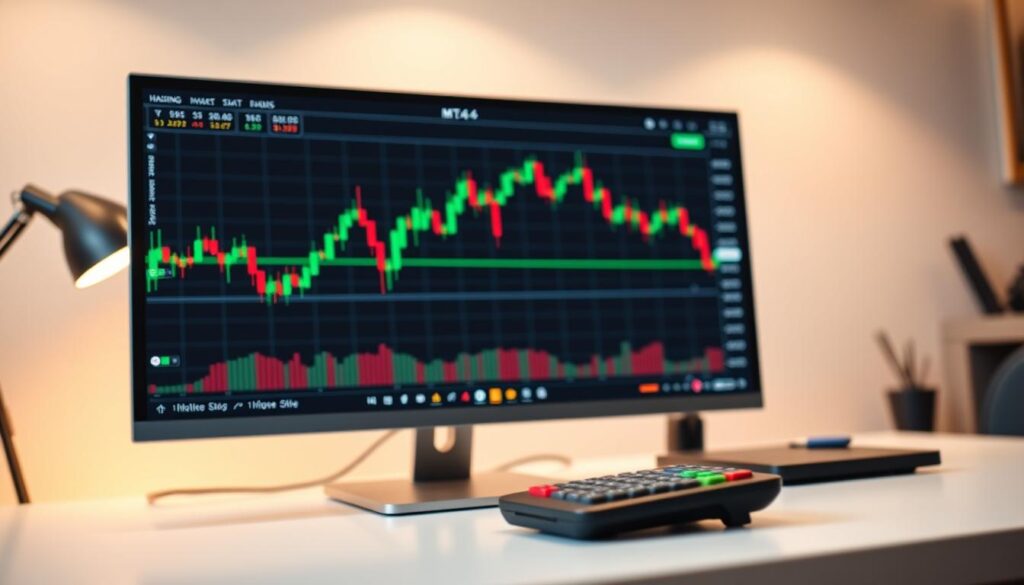
This guide offers a detailed look at the leading platforms for active market participants. Selecting the right partner is a critical first step for success in fast-paced financial environments.
Short-term strategies demand specialized tools. The best providers offer lightning-fast execution speeds and advanced analytical charts. These features differ greatly from standard long-term investment accounts.
Our evaluation relies on hands-on testing with real accounts. We examine regulatory standing and overall suitability for both new and seasoned individuals. This ensures our recommendations are practical and reliable.
This article will compare top firms, review fee structures, and discuss essential tactics. It also covers the importance of proper education and risk management. Engaging in these activities involves significant potential for loss.
Our goal is to provide a trustworthy resource for UK-based professionals. The analysis ahead is based on extensive research and real-world experience.
Overview of Top Day Trading Brokers in the UK
Selecting a premier financial partner is crucial for success within the United Kingdom’s dynamic market environment. The leading firms combine powerful technology with essential regulatory safeguards.
They provide platforms known for intuitive design and advanced analytical capabilities. This empowers users to make informed decisions quickly.
Market Trends and UK Regulatory Environment
Current trends show a strong move towards commission-free models and mobile-first solutions. Technology integration is a key differentiator for modern service providers.
A critical factor for UK-based participants is Financial Conduct Authority (FCA) authorization. This ensures strict adherence to operational standards and robust investor protection measures.
Many top-tier firms offer GBP-denominated accounts. This simplifies fund management for British residents by eliminating currency conversion fees.
Why Broker Reputation Matters
A firm’s standing is built on transparency, a proven track record, and positive client feedback. Trustworthy partners provide access to major venues like the London Stock Exchange.
They also offer popular instruments such as GBP/USD. History shows that engaging with unregulated or poorly regarded entities can lead to significant financial losses.
Therefore, verifying a provider’s reputation is a non-negotiable step for security and long-term success in the markets.
Key Features Investors Look for in Day Trading Platforms
Modern market analysis demands sophisticated tools that empower users to identify opportunities quickly. Active participants prioritize functionality that supports rapid decision-making and strategy execution.
Our hands-on testing evaluates software for excellent user experience with intuitive design. We verify comprehensive charting capabilities essential for short-term strategies.
Advanced Charting and Technical Tools
Sophisticated charting capabilities form the foundation of effective market analysis. These systems must offer multiple timeframes ranging from 1-minute to 60-minute charts.
Technical indicators like moving averages and RSI provide critical market insights. Customizable layouts and drawing features enable quick opportunity identification.
Comprehensive tool suites include Fibonacci retracements and trend analysis instruments. These resources help investors make informed decisions based on real-time data.
Cost Structures and Fee Transparency
Pricing models significantly impact profitability for frequent market participants. Transparent fee arrangements help users calculate true operational expenses.
Different providers employ various structures from commission-based to spread-only pricing. Even minor cost differences compound substantially across numerous transactions.
Clear disclosure of spreads, commissions, and financing charges is essential. Investors must evaluate which fee approach aligns with their transaction volume and strategy.
Understanding Broker Regulation and Safety Measures
Understanding the protective framework surrounding brokerage services is fundamental for investor confidence. This framework ensures that financial intermediaries operate with integrity and transparency.
Regulatory oversight separates reputable providers from potentially risky alternatives. The Financial Conduct Authority sets rigorous standards for firms operating within the United Kingdom.
FCA Standards and Investor Protections
FCA-regulated entities must maintain segregated client accounts. This separation ensures that customer funds remain protected from company operational risks.
The Financial Services Compensation Scheme provides up to £85,000 coverage per eligible claimant. This safety net activates if a regulated firm becomes insolvent.
Additional protections include negative balance coverage, preventing losses beyond deposited amounts. Strict conduct rules prohibit misleading promotions and market manipulation practices.
Choosing properly authorized brokers represents the first critical step in capital protection. This decision safeguards against fraudulent activities and operational failures.
Comparing Trading Platforms and Their Offers

Financial software comparison focuses on usability features and transaction processing speeds. Different platforms offer unique strengths that cater to various user preferences and strategies.
The evaluation process examines how each system balances complexity with accessibility. This balance determines how effectively users can navigate market opportunities.
Platform Usability and Interface Design
Interface design directly impacts how quickly users can execute trades. Clean layouts with intuitive navigation reduce decision-making time during volatile periods.
The best platforms organize essential tools within easy reach. Customizable workspaces allow personalization without overwhelming new participants.
Streamlined order placement workflows prevent costly errors. Visual clarity helps identify opportunities across multiple asset classes simultaneously.
Execution Speed and Order Routing
Transaction processing efficiency separates superior platforms from average ones. Our research shows execution quality averaged 97.51% across reviewed providers.
This percentage represents orders filled at or better than National Best Bid and Offer prices. Faster processing can mean significant price improvements for frequent traders.
Order routing methods affect both speed and potential cost savings. Direct market access typically delivers better results than market maker routing.
Milliseconds matter when capturing short-term opportunities. Reliable systems maintain performance during high-volume market conditions.
The Importance of Low Fees and Transparent Pricing
Transaction costs represent a critical factor in active market participation. High-frequency strategies involve numerous positions where small expenses accumulate rapidly.
These costs significantly impact overall profitability over time. Participants encounter various fee components during their activities.
Common expenses include trading commissions, spreads, and overnight financing charges. Deposit/withdrawal fees and inactivity penalties also affect total costs.
Transparent pricing enables accurate break-even point calculations. This clarity helps develop realistic profit targets and risk management strategies.
CMC Markets demonstrates competitive pricing with GBP/EUR spreads from 0.8 pips. Their UK 100 index shows 1.0 point spreads with UK shares at 0.1% commission.
Comparing total expenses across providers reveals true cost differences. Hidden charges can substantially increase actual operational expenses.
While cost matters, participants should balance fees against platform quality. Superior infrastructure and faster executions may justify slightly higher prices for advanced strategies.
Some firms offer tiered pricing with volume discounts. This benefits active participants through reduced per-transaction costs at higher volumes.
Essential Trading Tools and Charting Capabilities

The foundation of successful short-term strategies lies in advanced analytical software capabilities. These systems provide the critical infrastructure for rapid opportunity identification and execution.
Comprehensive charting resources are non-negotiable for professionals relying on technical approaches. Unlike long-term investors who focus on fundamentals, active participants need immediate visual data interpretation.
Real-Time Data Integration
Live market feeds enable users to monitor price movements and volume changes as they occur. Delayed information can result in missed opportunities or poor position entries.
This immediate data access represents a critical feature for serious market participants. Quality systems maintain stable connections during high-volume periods.
Technical Analysis and Custom Indicators
Leading platforms like MetaTrader 4 and MetaTrader 5 offer extensive indicator libraries. These resources include pre-built tools and drawing features for comprehensive analysis.
Advanced users benefit from custom indicator development and algorithmic capabilities. Providers like AvaTrade excel by offering both proprietary software and third-party solutions.
The best systems support multiple chart types and simultaneous timeframe displays. This flexibility allows for thorough market examination across various perspectives.
Advantages of Using FCA Regulated Brokers
Choosing an FCA-regulated intermediary offers distinct advantages that significantly enhance investor protection. These firms operate under strict guidelines that separate them from unregulated alternatives.
Financial Conduct Authority authorization requires adequate capital reserves. This ensures financial stability and the ability to meet obligations to clients.
Client funds remain completely segregated from company operational capital. This prevents misuse of investor deposits for business expenses.
The Financial Services Compensation Scheme provides up to £85,000 protection per eligible claimant. This safety net activates if a regulated firm becomes insolvent.
Regulated intermediaries must provide clear risk warnings and transparent fee disclosures. This reduces deceptive marketing practices and ensures fair client treatment.
eToro demonstrates these advantages with over 15 years of FCA-regulated operation. UK-based professionals praise its user experience and social features.
Dispute resolution through the Financial Ombudsman Service offers additional recourse. This comprehensive protection system benefits all market participants.
How Monthly Investing and Fractional Shares Impact Trading

Modern investment platforms now incorporate features traditionally associated with long-term wealth building into active strategies. These tools provide unique advantages for managing positions and controlling risk exposure.
Some services offer automated monthly programs with minimum contributions as low as £25. Investors establish direct debit arrangements that systematically purchase the maximum number of shares possible each month.
Benefits of Pound-Cost Averaging
Regular monthly investments create a powerful averaging effect on purchase prices. This approach smooths out market volatility by acquiring shares at various price points over time.
Pound-cost averaging reduces the risk of investing large sums during market peaks. It proves particularly effective for individuals building positions gradually with consistent contributions.
Understanding Fractional Share Trading
Fractional shares allow investors to purchase portions of high-priced equities. This democratizes access to expensive stocks that might otherwise be unaffordable.
When companies distribute dividends, fractional shareholders receive proportional payments. This ensures complete participation in company performance regardless of share quantity owned.
While primarily benefiting long-term investors, some active participants use fractional shares for precise position sizing. Checking transaction fees remains crucial since small regular investments can be impacted by per-trade charges.
Incorporating Risk Management and Stop Loss Strategies
Protecting investment capital requires disciplined approaches to position management. These methods determine how much money someone could lose on any single transaction before entering the market.
Proper risk control prevents small setbacks from becoming large financial problems. It preserves capital for future opportunities when positions move unfavorably.
Implementing Effective Stop Loss Orders
A stop loss automatically closes positions when prices reach predetermined levels. This order sells shares if the price falls to or below the investor’s specified threshold.
These tools prevent emotional decision-making during volatile periods. Effective placement balances protection against normal market fluctuations.
Limit orders work differently by executing only at or better than set prices. Both order types serve as insurance against excessive losses.
Managing Position Sizing and Exposure
Professional participants typically risk only 1-2% of total capital per transaction. This calibration considers account size and individual risk tolerance.
Such careful sizing ensures consecutive losses won’t devastate the entire portfolio. The distance to stop loss levels directly influences position magnitude.
Accepting losses remains psychologically challenging but essential for long-term survival. Proper risk management separates successful investors from those who lose money repeatedly.
Innovative Mobile Trading Platforms and Apps
Today’s financial professionals require immediate market access through intuitive mobile interfaces. These applications have evolved from basic monitoring tools to comprehensive platforms with full functionality.
Modern mobile solutions offer advanced charting capabilities and real-time data feeds. Users can manage positions and execute orders from anywhere with internet connectivity.
Our evaluation process involves hands-on testing across both iOS and Android devices. We create accounts, explore features, and execute test transactions to assess real-world performance.
User Interface and On-The-Go Trading
Mobile app design significantly impacts trading efficiency during fast-moving market conditions. Intuitive navigation and quick order entry systems separate superior platforms from average ones.
The best applications provide seamless experiences across different devices. Users can start analysis on desktop systems and complete transactions through mobile interfaces without functionality loss.
Push notifications for price alerts and order fills keep professionals informed of critical developments. This real-time access proves particularly valuable for those monitoring positions throughout market hours.
How Top Brokers Cater to Day Traders’ Specific Needs
Premium service providers develop targeted offerings that address the distinct operational needs of frequent position managers. These firms understand that active market participants require specialized tools beyond standard investment accounts.
Leading platforms differentiate themselves through lightning-fast execution speeds and advanced analytical capabilities. Active professionals need these features to capitalize on short-term market movements effectively.
Superior order routing minimizes execution delays and improves price fills. Direct market access provides better results than standard processing methods.
Extended hours accommodate professionals seeking opportunities beyond regular sessions. Pre-market and after-hours access allows for strategic position management.
Sophisticated order types enable complex strategies. Trailing stops, OCO orders, and conditional instructions provide precise control over positions.
Specialized features include hot keys for rapid entry and customizable workspaces. Multiple monitor support and streaming market depth data enhance decision-making.
Educational resources focus on technical analysis and risk management. These materials help professionals develop effective strategies for volatile conditions.
Tiered pricing structures reward high-volume activity with discounted rates. This approach recognizes the significant contribution of active market participants.
Best Day Trading Brokers: Trusted Options for Efficient Trading

Our comprehensive analysis reveals six standout providers that consistently deliver superior performance for British professionals. Each platform accepts UK residents and operates under FCA authorization.
Pepperstone excels with razor-sharp spreads and ultra-fast execution. Their advanced charting platforms suit experienced market participants perfectly.
XTB stands out for newcomers through the intuitive xStation platform. It features low costs and no minimum deposit requirements.
Interactive Brokers serves advanced users with powerful tools. The new IBKR Desktop application offers sophisticated customization options.
Trade Nation provides a user-friendly experience across diverse financial markets. Its straightforward interface benefits those starting their journey.
Eightcap delivers comprehensive features including multiple platform choices. Their Eightcap Labs education and AI-powered tools create a well-rounded offering.
IG maintains its reputation with an intuitive web platform. Recent TradingView integration enhances their already advanced charting capabilities.
All recommended firms underwent thorough evaluation using real accounts. This ensures practical insights for UK-based professionals seeking reliable partners.
Trading Strategies and Tools Tailored for Day Traders
Successful market participants rely on a diverse toolkit of proven methods to navigate fast-moving conditions. They adapt their approach based on volatility and market sentiment.
Three core techniques form the foundation for many professionals. These methods require quick analysis and precise execution.
Range Bound, Momentum, and Spread Trading
Professionals often identify equities that oscillate between clear high and low prices. This is known as a range bound strategy.
They purchase near the established support level and sell as the price approaches resistance. Some may also initiate short positions at the high point.
Another technique involves capitalizing on strong directional moves. This momentum approach seeks to profit from trends fueled by news or earnings reports.
Spread techniques exploit temporary differences between bid and ask prices. This high-speed method demands an understanding of market microstructure.
Using Order Flow and Support/Resistance Levels
Timing entries and exits relies heavily on analyzing order flow. This is the queue of pending buy and sell instructions for a security.
Key price levels provide critical signals. Support is a price where buying interest historically increases, potentially halting a decline.
Conversely, resistance is a level where selling pressure typically emerges. The most effective participants combine these tools to gauge sentiment and anticipate movements.
Evaluating Broker Offerings: Demo Accounts and Educational Resources

Demo accounts provide a crucial testing ground for evaluating platform capabilities before financial commitment. These simulation environments allow users to experience realistic market conditions without risking actual capital.
Benefits of Paper Trading and Simulation
Paper trading enables professionals to practice advanced strategies using virtual funds. They can familiarize themselves with platform functionality and order types in a completely risk-free setting.
Some providers limit demo access to just 30 days, like Pepperstone and XTB. This short duration may prevent thorough testing of strategies across different market conditions.
Extended demo periods allow users to build confidence and competence. They can test approaches through various volatility scenarios before funding live accounts.
Access to Training Materials and Expert Insights
Comprehensive educational resources demonstrate a broker’s commitment to client development. These materials include video tutorials, live webinars, and detailed trading guides.
Novice participants benefit from learning technical analysis and risk management principles. Quality education helps them understand platform functionality essential for success.
Providers with strong educational offerings show genuine interest in trader growth. This approach goes beyond simply collecting deposits from unprepared customers.
Assessing Real-Time Market Data and Execution Quality
The speed and accuracy of market information directly influence trading outcomes. Professionals require immediate access to price movements and volume changes. This real-time data forms the foundation for quick decision-making.
Live feeds show pending buy and sell orders. This order flow reveals market sentiment and potential price direction. Sophisticated participants analyze these signals to identify large institutional activity.
Understanding Order Flow and Market Signals
Order flow data provides insights into supply and demand imbalances. It helps identify potential support or resistance levels before they become apparent on charts. This information can signal upcoming price movements.
Experienced market participants watch for large block orders. These can indicate institutional positioning that may move prices. Understanding these signals helps anticipate short-term market direction.
Measuring Execution Speeds and Price Improvements
Brokers we reviewed averaged 97.51% execution quality as of October 2025. This means most orders filled at or better than National Best Bid and Offer prices. Price improvement occurs when executions beat quoted prices.
Even millisecond delays can impact fill quality during volatile periods. Faster systems capture better prices more consistently. Superior execution directly enhances profitability by reducing effective costs.
Participants should examine broker execution statistics and order routing practices. Technology infrastructure significantly affects results for those entering numerous positions. Optimal trade execution requires robust systems.
Final Insights for Confident Trading Decisions
Making the final choice about active market participation requires honest self-assessment. Research indicates that only 1% of participants consistently profit, while the vast majority lose capital.
This path should only be pursued with dedicated risk capital—money one can afford to lose completely. Essential funds for living expenses must remain separate.
For perspective, passive strategies like holding low-cost index funds have historically yielded strong returns. This often outperforms the results of most active managers.
Establishing a clear exit plan for every position is non-negotiable. This discipline prevents emotional reactions during market stress. Accepting occasional losses is part of the process.
While potentially profitable for the exceptionally disciplined, this approach remains a poor fit for most individuals. Long-term investment strategies typically offer a more reliable path to financial growth.