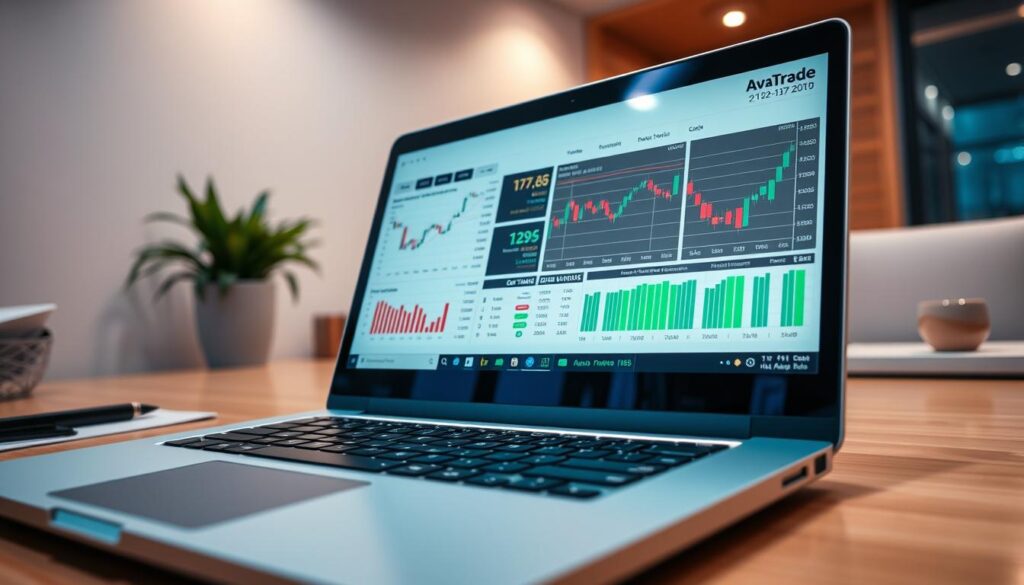
Navigating the world of currency trading requires careful selection of the right service provider. This comprehensive guide offers detailed assessments to help market participants make informed choices.
The foreign exchange market operates 24 hours a day with trillions of dollars traded daily. Choosing the right financial partner becomes essential for success in this dynamic environment.
This analysis focuses on three critical areas: cost structures, technology offerings, and regulatory credibility. Each factor plays a vital role in the overall trading experience.
Market participants need unbiased information to compare different service providers. They each present unique fee arrangements, platform features, and security measures.
Whether new to currency markets or experienced investors seeking advanced tools, these evaluations provide valuable insights. The goal is to identify partners that align with individual trading styles and financial goals.
Transparent pricing and reliable technology form the foundation of successful market participation. Regulatory oversight from authorities like the FCA ensures operational integrity and client protection.
Introduction to the Forex Market Landscape
Engaging with the world’s largest financial market demands a clear understanding of its evolving structure and key players. This market operates around the clock, facilitating immense daily volume across global time zones.
Trends in the Global Forex Market
Recent years have seen a significant shift. Individual participation has grown alongside the rise of automated systems and mobile solutions.
Technology has leveled the playing field. Now, people can access tools and data once reserved for large institutions.
Regulatory oversight has also intensified globally. This trend aims to enhance security and operational integrity for all participants.
The Importance of Broker Comparison
Choosing a financial partner is a decision with long-term consequences. Different firms offer vastly different cost structures, platform features, and execution speeds.
These differences directly impact profitability, especially for active individuals. A thorough evaluation helps identify the best fit for specific goals and strategies, from low costs to advanced technology.
Expert forex broker reviews: Insights and Analysis
Behind every reliable star rating lies a meticulous process of evaluation. This section explores the depth of professional expert analysis that goes into creating trustworthy reviews.
Criteria Behind Each Rating
Teams like those at ForexBrokers.com, founded in 2016, dedicate hundreds of hours annually. They test service providers against over 100 different variables.
This comprehensive research includes hands-on platform use and deep data analysis. The goal is to assess what truly matters for the success of traders.
The criteria are split into measurable and experiential factors. Quantitative data covers costs, execution speed, and available instruments.
Qualitative assessment examines platform ease of use and support quality. Regulatory standing is also verified to ensure fund safety.
Real-money testing checks if advertised conditions match reality. This thorough approach helps individuals find the best fit for their specific trading needs.
Exploring Broker Fees and Competitive Pricing
The total cost of participation is a decisive element for long-term success in the markets. These expenses directly impact net profitability, especially for those who trade frequently.
Understanding the different pricing models is the first step. Firms typically structure their costs in two primary ways.
Understanding Spread and Commission Models
One common approach is spread-only pricing. Here, the cost is built into the difference between the buy and sell price.
Another model combines tight, raw spreads with a separate, fixed commission per trade. This can be more cost-effective for high-volume participants.
For example, Pepperstone’s Razor account offers spreads as low as 0.0 pips. It uses a transparent commission-based structure.
XTB provides a different advantage with zero-commission trading on standard accounts. This simplifies cost calculation for many individuals.
Identifying Hidden Costs in Trading
Beyond spreads and commissions, other fees can accumulate. These are often less obvious but equally important.
Costs like overnight financing charges, inactivity fees, or withdrawal fees can surprise account holders. A transparent firm discloses all potential costs upfront.
Comparing the all-in cost is more valuable than focusing on a single metric. This ensures a true picture of the expenses involved.
Some providers, like XTB, enhance value by paying interest on uninvested cash. Such features contribute to a genuinely competitive offering.
Evaluating Trading Platforms and Tools

Modern trading success depends heavily on the quality and capabilities of the software tools available. The right trading platform can significantly enhance market analysis and execution efficiency.
When selecting a digital environment, participants face a fundamental choice between established third-party solutions and custom proprietary platforms. Each option offers distinct advantages for different trading styles.
Comparing Proprietary versus Third-Party Solutions
Third-party platforms like MetaTrader and cTrader provide familiar interfaces with extensive customization options. These solutions benefit from large user communities developing indicators and automated strategies.
Pepperstone demonstrates this approach by offering multiple third-party platforms. Traders can choose between MetaTrader, cTrader, and TradingView based on their preferences.
Proprietary platforms like XTB’s xStation 5 deliver unique features tailored to specific service offerings. These custom solutions often integrate research tools and educational content seamlessly.
CMC Markets’ Next Generation platform exemplifies the proprietary approach with comprehensive functionality. Such platforms balance advanced tools with user-friendly design for all experience levels.
The ideal trading platform combines powerful analytical tools with intuitive navigation. It should support efficient market analysis across multiple instruments simultaneously.
Assessing Trustworthiness and Regulatory Standards
Trust and credibility represent non-negotiable elements when selecting financial service providers. Regulatory oversight forms the foundation of secure market participation, ensuring operational integrity and client protection.
Top-tier regulatory bodies like the UK’s Financial Conduct Authority enforce stringent requirements. These include segregated client funds, negative balance protection, and regular audits. Firms like IG Markets Limited operate under such strict supervision.
Highly regulated brokers demonstrate commitment through multiple licenses across jurisdictions. Pepperstone and CMC Markets maintain oversight from authorities worldwide. This multi-jurisdictional approach provides additional safety layers.
Mandatory risk disclosures highlight that many retail investor accounts lose money with leveraged products. CFD accounts lose capital rapidly when leverage amplifies market movements. Proper regulatory frameworks help mitigate these risks.
When evaluating providers, prioritize those with established track records and transparent ownership. Look for segregated accounts and participation in investor compensation schemes. These factors indicate genuine commitment to client security.
In-Depth Look at Trading Experience and Execution

The quality of a trader’s daily interaction with their chosen service is defined by the complete trading experience. This journey starts from the moment an account is opened and continues through every trade placed.
Execution quality is a vital part of this experience. Factors like order fill speed and slippage rates directly impact profitability. A smooth execution process is essential for success.
Providers differentiate themselves through specialized strengths. Pepperstone, for example, offers ultra-low latency execution. This appeals to participants who need millisecond-level order processing.
Other firms focus on a powerful, all-in-one platform environment. CMC Markets combines intuitive navigation with deep research and complex tools. This supports investors of all skill levels effectively.
FOREX.com enhances the experience with speedy execution and access to automated algorithms. XTB delivers an excellent overall package through outstanding customer service and a wide instrument selection. The best experience seamlessly integrates all components for an efficient and frustration-free environment.
Unpacking Account Types and Minimum Deposits
Minimum deposits and account features are pivotal factors that can either enable or hinder a market participant’s journey. The right choice aligns with an individual’s experience level and financial capacity.
Service providers offer a spectrum of account structures. These range from standard retail accounts to professional ones with higher leverage.
Specialized options include Islamic swap-free accounts and those designed for algorithmic trading. Each caters to specific needs and strategies.
Benefits for Beginners and Advanced Traders
For newcomers, accessibility is key. Many firms like IG, XTB, and Pepperstone require $0 minimum deposits.
This removes a significant financial barrier. Beginners also benefit greatly from demo accounts for risk-free practice.
Intuitive platform design, like that offered by AvaTrade, helps new users navigate confidently. These features build essential skills without pressure.
Experienced traders seek advanced features. They require accounts with tighter spreads, lower commissions, and premium tools.
Priority support and dedicated managers are also valuable. Account tiers often reward higher volume with better conditions and rebates.
Selecting the appropriate account depends on capital, strategy, and desired features. This decision fundamentally shapes the entire market experience.
Features of Copy Trading and Social Trading Platforms
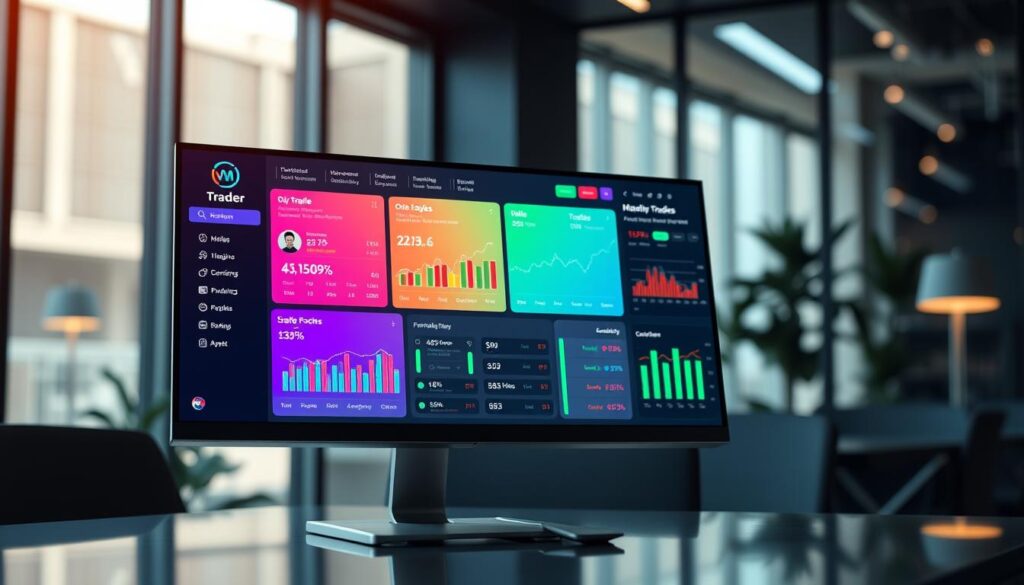
The rise of social and copy trading platforms has transformed how individuals approach the financial markets. These innovative systems allow less experienced participants to automatically replicate the trades of successful investors.
This process democratizes access to proven strategies. It significantly reduces the learning curve associated with active participation.
eToro stands as a leader in this space with its user-friendly platform. People can browse detailed performance statistics of expert traders and select those matching their risk tolerance.
Investment amounts are fully customizable. This gives users control while benefiting from the expertise of others.
Social trading environments combine community features with core functionality. Participants can follow others, share insights, and discuss strategies openly.
Transparent performance records are a key feature. They allow for informed decisions based on historical returns, win rates, and risk scores.
Pepperstone offers flexibility by supporting multiple social copy trading platforms. This lets traders choose the environment that best suits their style.
Vantage enhances its offering by integrating professional research from Trading Central. This provides valuable context for both signal providers and their followers.
The best platforms for 2026 emphasize regulation, transparency, and mobile functionality. They empower users to learn and participate effectively in real-time markets.
Insight into Mobile Trading Solutions
Smartphone technology has fundamentally reshaped how individuals interact with global financial markets. Portable applications now provide essential tools for monitoring positions and executing trades from any location.
FOREX.com stands out with its proprietary mobile trading platform that offers excellent customization. The app combines robust portfolio analysis with deep research integration and intuitive navigation.
Effective mobile platforms replicate desktop functionality while optimizing for smaller screens. They provide one-tap order entry, customizable watchlists, and real-time price alerts.
Best Practices for Trading on the Go
Traders should adopt several key practices for successful mobile access. These strategies help manage risk and maintain efficiency when away from primary workstations.
- Set price alerts to monitor key levels without constant chart watching
- Use one-click trading for rapid execution during market movements
- Maintain smaller position sizes to manage risk effectively
- Enable biometric authentication and avoid public WiFi networks
Security remains paramount for mobile trading. Push notifications for margin calls and order fills help traders stay informed while maintaining account safety.
The ideal platform balances comprehensive functionality with simplified navigation. This ensures efficient market analysis and position management during travel or remote work.
Advantages of Extensive Forex Research and Analysis

Quality analysis separates successful trading strategies from mere guesswork. Comprehensive research provides the foundation for informed decision-making in dynamic currency markets.
Leading providers like IG and CMC Markets deliver top-tier research offerings. These include proprietary market analysis, economist commentary, and real-time news feeds.
OANDA distinguishes itself through quality research that combines historical data with forward-looking insights. This helps traders understand currency pair dynamics and anticipate movements.
Integration with third-party providers like Trading Central delivers professional-grade technical analysis. Platforms such as AvaTrade offer pattern recognition and risk-reward assessments.
Advanced charting capabilities form the foundation of technical examination. These tools include multiple chart types, hundreds of indicators, and backtesting functionality.
Traders gain competitive advantages through better-informed entry and exit decisions. They can improve risk management and anticipate market reactions to economic events.
Pepperstone supports this approach with quality research alongside social trading platforms. This combination empowers participants with both data-driven insights and community wisdom.
Evaluating Customer Support and Educational Resources
Beyond platforms and pricing, the quality of learning materials and assistance forms a cornerstone of a positive market experience. Strong educational resources and responsive customer support empower individuals to navigate challenges and build skills effectively.
Comprehensive Training and Tutorials
Leading providers invest heavily in creating extensive learning libraries. IG delivers excellent educational materials covering everything from market basics to advanced strategy development.
AvaTrade offers a rich collection of articles, video tutorials, and live webinars. These resources are designed to help beginners grasp concepts quickly. The content often progresses from foundational terms to complex analysis.
CMC Markets complements its platform with a comprehensive education section and community forums. This creates a supportive environment for continuous development.
Quality and Accessibility of Support Services
When questions or issues arise, accessible help is crucial. XTB is noted for its outstanding customer service, providing multiple contact channels.
Knowledgeable representatives understand both the platform and market dynamics. This expertise allows them to resolve technical and account questions efficiently.
AvaTrade ensures global accessibility with multilingual assistance available 24/5. This removes language barriers and provides clarity on complex topics. Reliable support directly contributes to a smoother, more confident trading journey for all participants.
Understanding CFDs and Derivative Trading
Derivative instruments like CFDs offer unique opportunities but carry significant financial risks that require careful consideration. These contracts allow market participants to speculate on price movements without owning the underlying assets.
CFD trading provides access to diverse markets through a single platform. Participants can profit from both rising and falling prices. Leverage amplifies potential gains but also increases exposure.
IG operates as the world’s largest CFD provider with over 10,000 instruments available. This demonstrates the extensive market access these products offer.
Regulatory warnings consistently highlight that most retail accounts lose money with CFDs. Statistics show 68-76% of individual traders experience losses. Leverage magnifies both profits and potential setbacks.
Responsible CFD trading requires comprehensive risk management strategies. These include proper position sizing and stop-loss orders. Understanding margin requirements is essential before committing capital.
Navigating Regulatory Environments and Global Oversight
The safety of client funds and the integrity of market operations hinge on the strength of regulatory frameworks. Different countries enforce vastly different standards for financial service providers.
Tier-one authorities like the UK’s FCA set stringent rules. These include capital requirements, segregated client accounts, and regular audits. Other jurisdictions may offer minimal oversight.
Firms like IG demonstrate strong compliance by holding licenses in over a dozen countries. This multi-jurisdictional approach provides clients with enhanced confidence and access to compensation schemes.
Pepperstone’s availability in 160+ countries under numerous regulatory bodies shows how leading providers maintain compliance across diverse markets. CMC Markets is also recognized for its high level of regulatory scrutiny.
This oversight directly impacts the services available. Heavily regulated markets often have leverage limits and mandatory negative balance protection.
Understanding these environments helps individuals assess a firm’s credibility. Red flags include operating without proper licenses or making unrealistic promises inconsistent with regulatory guidelines.
The Impact of Trading Technology on Market Access

Technological advancements have dramatically reshaped how individuals participate in global financial markets. Modern trading platforms now offer institutional-grade tools and real-time data access to retail participants.
These innovations provide millisecond-level responsiveness across desktop and mobile devices. Market access has become more democratic and efficient than ever before.
Role of APIs and Automated Trading
APIs empower algorithmic traders to connect custom systems directly to trading platforms. This enables automated strategy execution and systematic portfolio management.
Pepperstone supports various APIs, allowing seamless integration with popular frameworks. IC Markets offers scalable execution infrastructure designed for algorithmic trading needs.
Automated technology eliminates emotional decision-making and enables 24/5 market monitoring. It executes trades based on predefined criteria across multiple strategies.
Enhancements in Order Execution and Platform Performance
Smart order routing automatically finds the best available prices across multiple liquidity providers. Advanced order types like trailing stops and OCO orders provide greater control.
Platform performance improvements include faster charting rendering and real-time data streaming. FOREX.com offers proprietary Performance Analytics features for detailed insights.
Charting technology has evolved with hundreds of technical indicators and pattern recognition. CMC Markets delivers powerful tools with intuitive navigation for all experience levels.
How Experts Compare Trading Platforms and Services
Professional evaluators dedicate significant effort to comparing financial platforms. They test firms on over 100 different variables. This process includes regulation checks, cost analysis, and hands-on use of tools.
These detailed assessments result in comprehensive star ratings. A provider like IG often ranks highly for its overall package. It combines strong trust factors with a wide product range and excellent educational content.
Specialized comparison websites play a key role. They present parameterized data in a clear, side-by-side format. This allows individuals to examine fees, available instruments, and regulatory status quickly.
Experts go beyond marketing claims by conducting real-money tests. They verify that live spreads match advertised prices. They also check execution speed and the smoothness of withdrawal processes.
This rigorous comparison benefits people looking for the right fit. It highlights the strengths and weaknesses of each service. The goal is to match specific user profiles with the most suitable options.
Final Thoughts on Choosing the Right Broker
Finding the ideal financial partner requires balancing multiple factors to match individual needs and goals. This selection process directly impacts costs, execution quality, and available tools.
Different traders have unique requirements. Beginners often prioritize education, while active participants focus on execution speed. Algorithmic trading demands robust API access.
Successful broker selection involves clarifying personal priorities first. Then identify brokers excelling in those specific areas. Regulatory verification remains essential before funding any account.
Demo testing provides valuable insights without risk. The best approach combines expert analysis with hands-on evaluation. This ensures the chosen service supports specific trading strategies effectively.
Flexibility is key as skills and needs evolve. The right partner provides trust, value, and tools that let traders focus on market analysis across various markets and product offerings.